How to Use Lemon Vibrators When Your Desire Comes Back Slowly After Illness
Let's be honest. Long illness, surgery, or recovery from something serious doesn't just take your body. It takes your desire too. And when desire starts creeping back, it rarely announces itself. It's tentative. It comes in small moments, often surprising you. Sometimes it feels fragile, like it might vanish if you look at it too directly.
That's completely normal. It's also a moment where a lot of people second-guess themselves. You're wondering: Is this desire coming back or am I just imagining it? Am I ready? Will my body respond the way it used to? Should I be doing this yet?
The answer to most of those questions is: take it slow, and let a lemon clitoral vibrator be your guide. Here's why and how.
Why illness disrupts desire in the first place
Illness is a full-body experience. It's not just pain or fatigue on the surface. At a cellular level, your body is using every resource it has to recover. That means blood flow prioritizes healing over arousal. Stress hormones stay elevated. Sleep gets disrupted. Your nervous system stays in a protective, not-quite-ready state.
Then there's the emotional piece. Illness creates a sense of disconnection from your own body. You've spent weeks or months listening to your body primarily for signs of suffering, not pleasure. You may feel self-conscious about how you look or feel. If your illness was serious, there's often an undercurrent of fear: Is my body safe now? Can I trust it?
All of that is why desire doesn't just snap back. It returns in layers.
The three phases of desire returning after illness
I've watched this pattern in my clinical practice hundreds of times. First comes curiosity, not arousal. You might notice your partner or a stranger and think, "Oh, I remember that feeling." There's no physical response yet, just a moment of recognition.
Then comes tentative interest. Your body starts responding to stimulation again, but slowly. Arousal takes longer to build. Sensation might feel duller than you remember. You might get aroused, feel good for a few minutes, then lose it. That's not failure. That's your nervous system learning to trust sensation again.
Finally comes consistency. Your body remembers how to stay present. Pleasure builds reliably. You feel more secure in your own skin. This phase can take weeks or months, depending on what you recovered from.
Understanding these phases matters because you're going to be tempted to jump straight to phase three. You're going to think you should want what you used to want, the way you used to want it. You won't, and that's exactly right.
Why a lemon clitoral vibrator is the gentlest re-entry tool
Not all vibrators are built the same. Most traditional vibrators work through rapid back-and-forth motion. They require you to be at a certain level of arousal to feel good. They can feel jarring if your body is still learning to be present.
A lemon clitoral vibrator like the Lem works differently. It uses gentle suction and pulsing rather than pure vibration. This means it stimulates nerve clusters without aggressive friction. For someone whose body is still recovering, that distinction matters enormously.
The suction sensation is also more forgiving of inconsistent arousal. You don't have to be fully ready for it to feel good. It can actually help bring your body into arousal, rather than requiring you to be aroused before you use it. That reverses the pressure dynamic entirely.
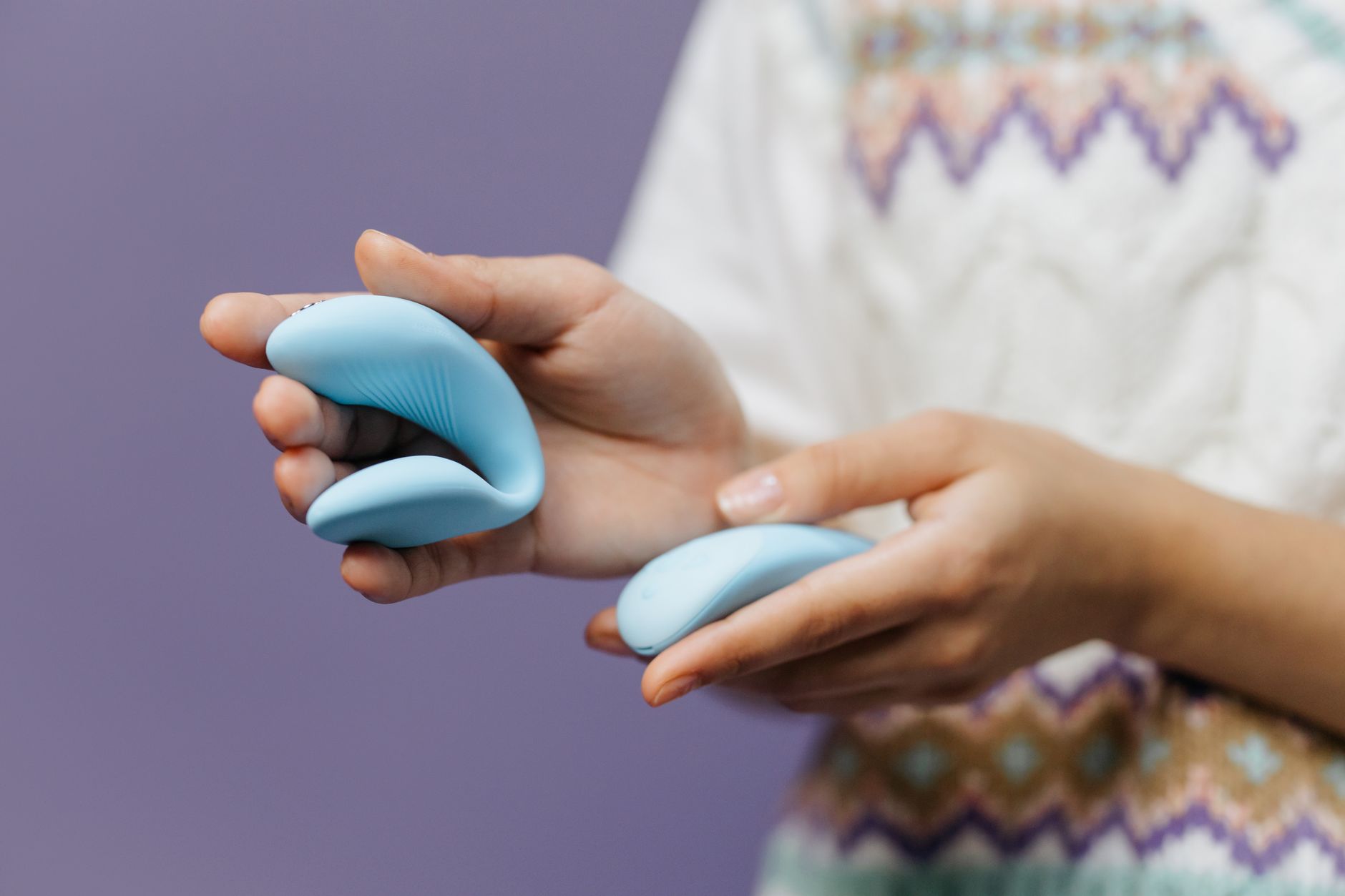
Photo by cottonbro studio on Pexels
How to actually use a lemon vibrator in early recovery
Start with zero expectation of outcome. I mean that. You're not trying to have an orgasm. You're not trying to prove anything. You're exploring whether sensation feels good right now. That's genuinely it.
Begin solo. Your body's nervous system is already managing one relationship (with itself, healing). Adding partner dynamics complicates things. You need to know what feels good to you first, without performance pressure or anyone else's timing involved.
Choose a time when you're genuinely relaxed, not tired. That's harder than it sounds when you're recovering. Tired and rested feel similar when you're still healing. But there's a difference between "I could rest" and "I actually feel okay." Wait for the second one.
Start the lemon vibrator on the lowest setting. Explore for 5-10 minutes with no goal. Some days it'll feel amazing. Some days you'll use it and feel nothing. Neither outcome means anything about your recovery. Your body is relearning what sensation is supposed to feel like.
What to expect from your body (and your mind)
Sensation might feel different than before. Duller, sharper, more localized, less intense. That's not permanent. Your nervous system is still recovering. Nerve sensitivity shifts as your body heals. Many people find that after full recovery, sensation becomes richer and more nuanced than it was before illness.
You might also notice that your mind wanders. You're thinking about whether you're doing this right, whether your body feels okay, whether your energy is dropping. That's your nervous system being cautious. It's protective, not a sign you're broken.
Some days you'll feel aroused and then lose it. You're on the couch, using your lemon clitoral vibrator, feeling good, and suddenly you remember you need to send an email. Your arousal just vanishes. This is incredibly common in early recovery. Your ability to stay present builds over time. Forcing yourself to stay focused makes it worse, not better.
Orgasms might look different. Softer. Shorter. Less intense. You might not be able to have one for a while, even if sensation feels okay. That's fine. Your pelvic floor and nervous system are still reorganizing. Pleasure without orgasm is still pleasure, and honestly, learning to enjoy sensation without the goal of climax is one of the best gifts recovery can offer.
When to bring a partner into it
Wait until you've spent at least a few weeks exploring solo. You need to know what feels good and have some confidence that your body can respond. When you do involve a partner, start small.
You might use your lemon vibrator while they're in the room, but not touching you. You're building your nervous system's sense of safety in their presence. You're also showing them, without words, what you enjoy.
Or you might use it together, with them on the outside edge of the experience. They're present, touching you in other ways, but the vibrator is your focus. This keeps pleasure generative (you're creating it, not performing) while building connection.
Don't use a lemon clitoral vibrator as a way to "fix" the problem of low desire. That frames your recovery as a problem your partner needs you to solve. It's not. Your recovery is your body's priority. Pleasure is a side effect of feeling safe again, not a requirement of healing.
The emotional piece matters as much as the physical one
If your illness was serious, there's often shame attached to your body afterward. Not always expressed out loud, but it's there. Your body "failed" you. Now you're supposed to trust it with pleasure? That feels risky.
Start with gratitude, even if it feels forced. Your body is recovering. It's reorganizing. Use the lemon vibrator as a way of saying to your nervous system: "I see you coming back. I'm glad you're healing." This sounds like meditation-speak, and I know it does, but your nervous system believes what you repeatedly tell it through your actions. Gentle touch, patient exploration, and time build trust with yourself again.
If you're feeling anxious or scared during early recovery, that's worth naming. Talk to your partner about it. Talk to a therapist if you have access. Trying to pleasure your way through fear never works. You have to address the fear first.
Red flags that mean you need to slow down further
If physical sensation triggers pain or panic, stop. Pain during pleasure recovery is unusual and worth exploring with a doctor. Panic is your nervous system saying it's not ready yet. Both are information, not failures.
If using a lemon vibrator makes you feel shame, disconnected, or worse about your body, pause. Try again in a few weeks. Your mind might just need more time.
If your partner is pressuring you to move faster than feels right, that's a separate issue worth addressing with them directly or with a couples counselor. Your timeline matters more than their timeline.
The gifts that come from slow recovery
There's something that happens when you rebuild pleasure slowly after illness. You notice things you never noticed before. The exact pressure that feels good. The way arousal builds differently in your body than in your mind. The difference between touch that excites you and touch that comforts you.
Many people come out of serious recovery with a much more robust sense of their own desire. Not because their body magically healed, but because they actually paid attention. They got curious. They used tools like lemon clitoral vibrators not as a shortcut back to "normal," but as a way of gently inviting their body to wake up again.
That's the version of recovery I see in my practice. It's slower. It's more intentional. And it usually leads to richer, more resilient pleasure in the long run.
FAQ: Desire recovery and lemon vibrators
How long does it typically take for desire to come back after serious illness?
It varies enormously depending on what you recovered from. Minor illness might take weeks. Surgery or severe illness can take months. Some people notice a shift within a few weeks of starting to feel physically better. Others don't see real desire return for six months or longer. There's no standard timeline. Your body will tell you when it's ready. The mistake most people make is comparing their timeline to someone else's.
Can I use a lemon vibrator if I'm still having pain in my pelvic area after recovery?
Not yet. If you're still experiencing pain, that's a sign your body needs more healing time. Using any vibrator, including a lemon clitoral vibrator, in the presence of pain can train your nervous system to associate pleasure with discomfort. That's the opposite of what you want. See a pelvic floor physical therapist to rule out underlying issues. Once pain is gone, then explore gently.
Is it normal to feel guilty about using a vibrator while recovering?
Completely normal. Guilt often shows up when we feel disconnected from our bodies. You've spent weeks or months listening to your body for signs of illness. Now you're asking it for pleasure. That feels selfish or irresponsible to a lot of people. It's not. Pleasure is part of healing. It signals to your nervous system that the threat has passed. That it's safe again. Using a lemon vibrator is an act of self-care, not selfishness.
Can I use a lemon vibrator with my partner if they feel nervous about my recovery?
Yes, but communication comes first. Let them know you're using a lemon clitoral vibrator to explore sensation again, not because there's anything wrong with them or with your relationship. Invite them to ask questions. Show them how it works if you're comfortable. Many partners feel less anxious when they understand what's happening and why. You might also read some of our guide on introducing a vibrator to your long-term partner together.
What if my desire doesn't come back the way it was before?
It probably won't, and that's okay. Illness changes you. Sometimes desire comes back different: more specific, less spontaneous, more reliant on certain conditions. That doesn't mean it's broken. It means you're a different person now, and your pleasure reflects that. Some people find that post-recovery desire is actually deeper and more connected to what they really want, rather than what they think they're supposed to want. Give it time before you decide whether that's a problem.
Is it safe to use a lemon vibrator if I had abdominal surgery?
That depends on the type of surgery and where it was. If you're cleared for normal activity by your doctor, you're likely cleared for a lemon vibrator. If you're still in the restricted-activity phase, ask your surgeon. They'll be specific about what your body can handle. Once you're cleared, start gently on the lowest setting and build up slowly according to your sensitivity level.
How do I know if I'm ready to have partnered sex again after illness?
The rule of thumb is: if you can enjoy solo pleasure with a lemon clitoral vibrator without pain or panic, you're likely ready to talk with your partner about next steps. That doesn't mean you jump straight to penetrative sex. It means you're ready to explore touch and connection together, on your timeline. Go slowly. Your partner's arousal doesn't dictate your readiness. Your comfort does.
Your desire is returning. Be patient with it. Trust that your body knows what it's doing, even when it doesn't feel that way. That's where healing happens.